Technical Knowledge
Understanding period construction methods, material properties, and finish chemistry enables appropriate restoration decisions. We continuously research historical techniques and modern alternatives.
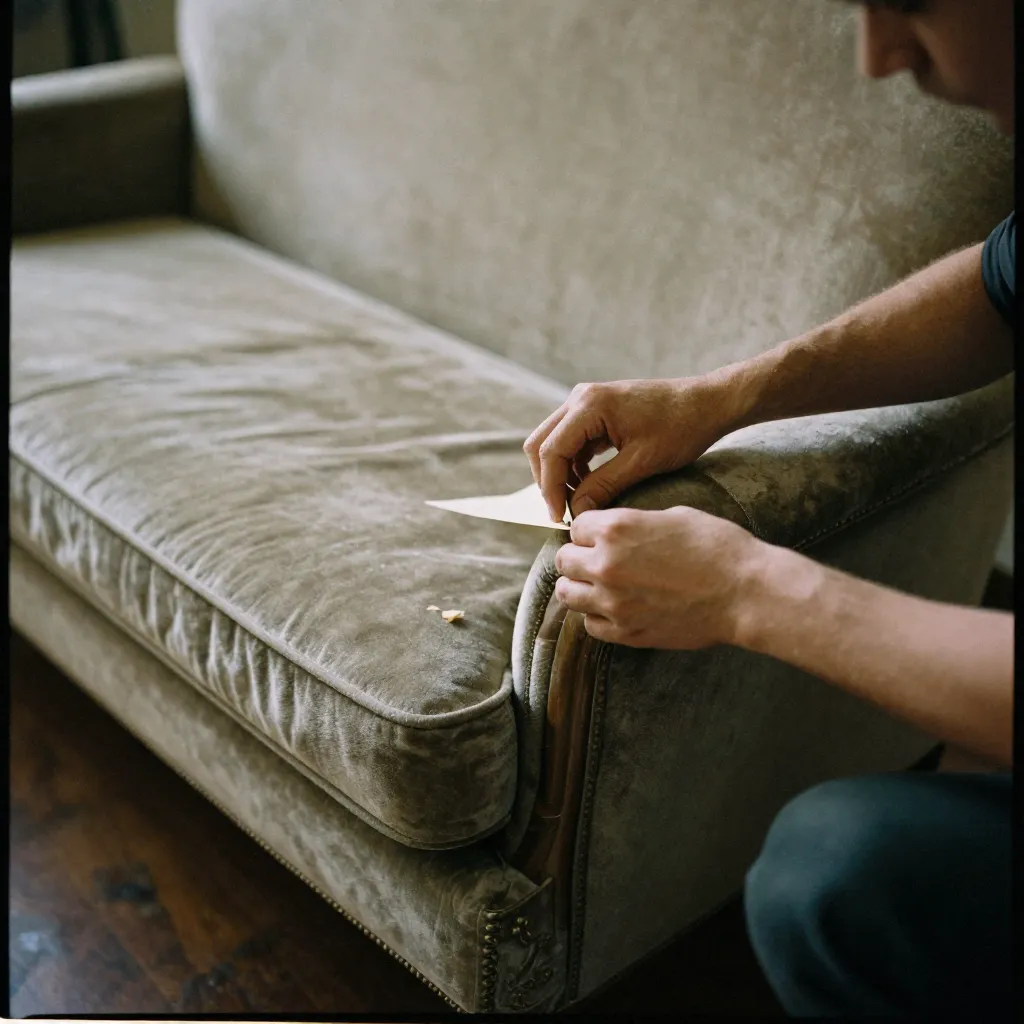
Blending traditional craftsmanship with contemporary precision
Every restoration project follows a systematic approach designed to preserve historical integrity while ensuring functional longevity.
Initial evaluation includes material identification, construction analysis, and condition documentation. We photograph all aspects and note specific restoration requirements.
Detailed restoration plans outline proposed work, material choices, and timeline. Client approval ensures alignment before beginning restoration activities.
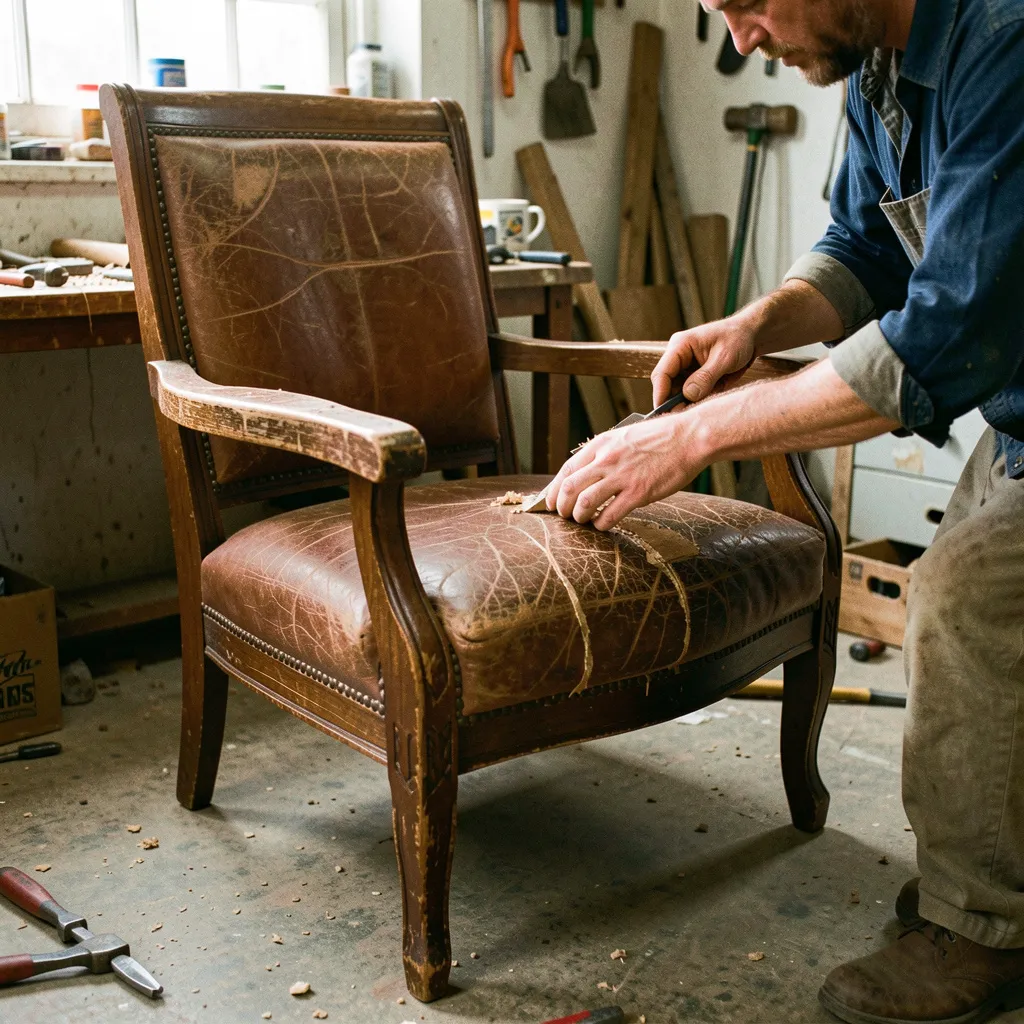
Understanding period construction methods, material properties, and finish chemistry enables appropriate restoration decisions. We continuously research historical techniques and modern alternatives.
Quality materials and appropriate tools are essential for successful restoration outcomes
We maintain relationships with suppliers specializing in period-appropriate materials, including wood species, hardware, and upholstery fabrics.
Both traditional hand tools and modern precision equipment serve specific purposes. We choose tools based on the task requirements and material sensitivity.
Dedicated areas for different restoration stages ensure efficient workflow and protect pieces during various phases of work.
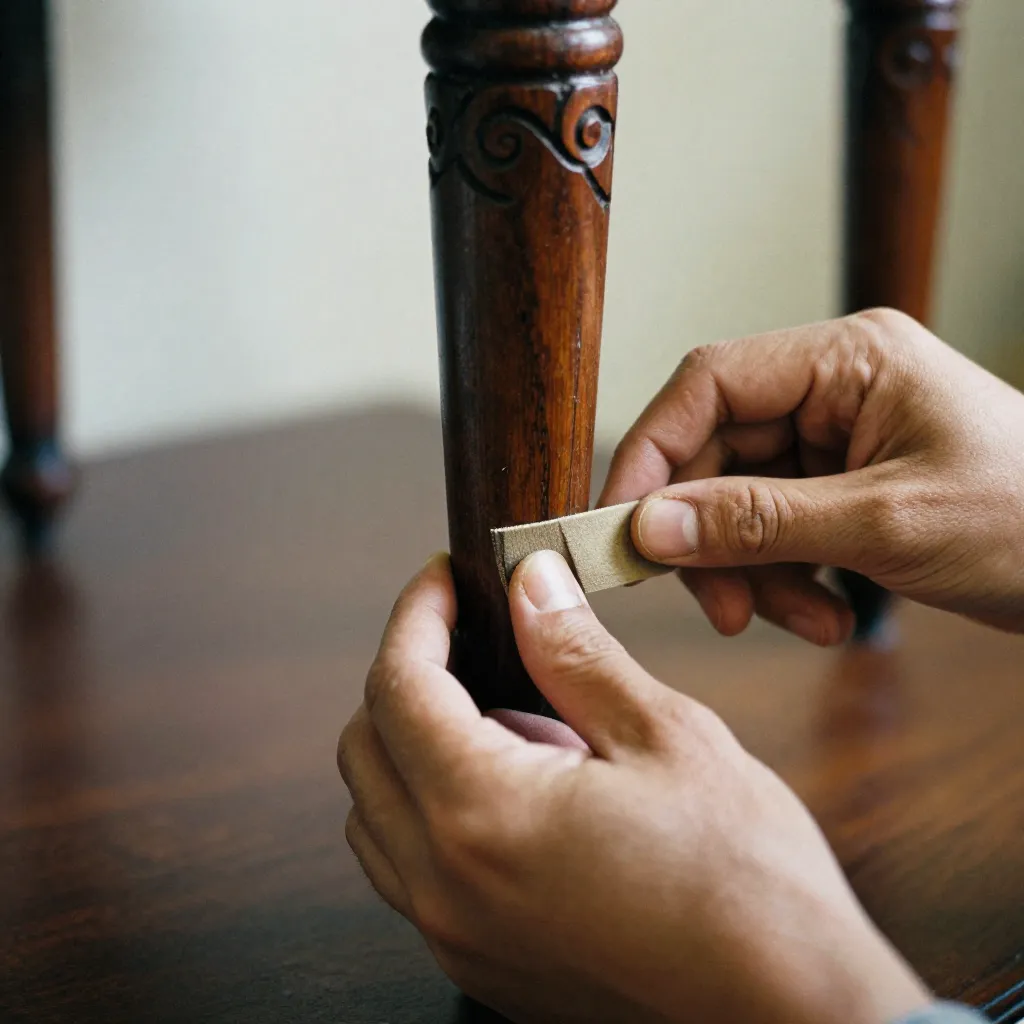
Effective communication ensures clients understand restoration options and make informed decisions. We provide regular updates and welcome questions throughout the process.
Dedication to preserving furniture heritage through careful, informed restoration practices
We prioritize maintaining original character while addressing functional needs. Restoration should enhance, not replace, the piece's historical identity.
Comprehensive records support future maintenance and provide historical context. Documentation includes photographs, material notes, and technique descriptions.